Bizzarrini Ohydrates. p. A. was an Italian automotive manufacturer inside 1960s founded by ex- Alfa Romeo, Ferrari and ISO industrial engineer, Giotto Bizzarrini. The company built limited highly developed and superior sport and racing motor vehicles before failing in 1969. Notable models include the actual 5300 GT Strada and also the P538S.Originally Prototipi Bizzarrini s. r. l., the name was improved to Bizzarrini S. p. A. in 1966. The Bizzarrini marque has been revived with quite a few concept cars in this 2000s.Giotto Bizzarrini was created in Livorno, Italy in 1926. His father was the rich landowner who got their start in a family with sturdy roots in Tuscany plus the city of Livorno. His grandfather, also named Giotto Bizzarrini, was a biologist who had caused Guglielmo Marconi on his / her inventions, especially the radio, following which one on the Livorno Library sections seemed to be named The Bizzarrini Catalogue.Bizzarrini graduated as an engineer from the University of Pisa with 1953. He taught briefly just before joining Alfa Romeo within 1954. He worked for Alfa Romeo coming from 1954 to 1957. He began working pertaining to Ferrari in 1957, eventually becoming controller of experimental, Sports and GT vehicle development. He worked at Ferrari to be a developer, designer, test driver, and chief engineer regarding five years. His developments there bundled the Ferrari 250 TR, the Ferrari 250 GT SWB (Brief Wheelbase Berlinetta or Berlinetta Passo Corto), and the 1962 Ferrari 300 GTO.
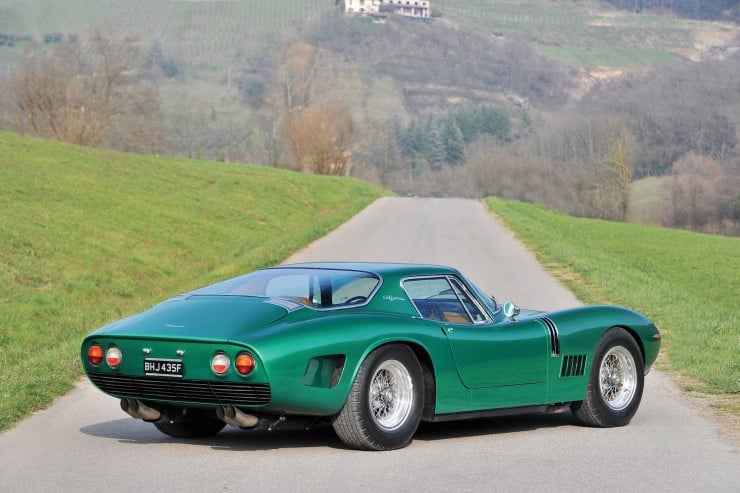
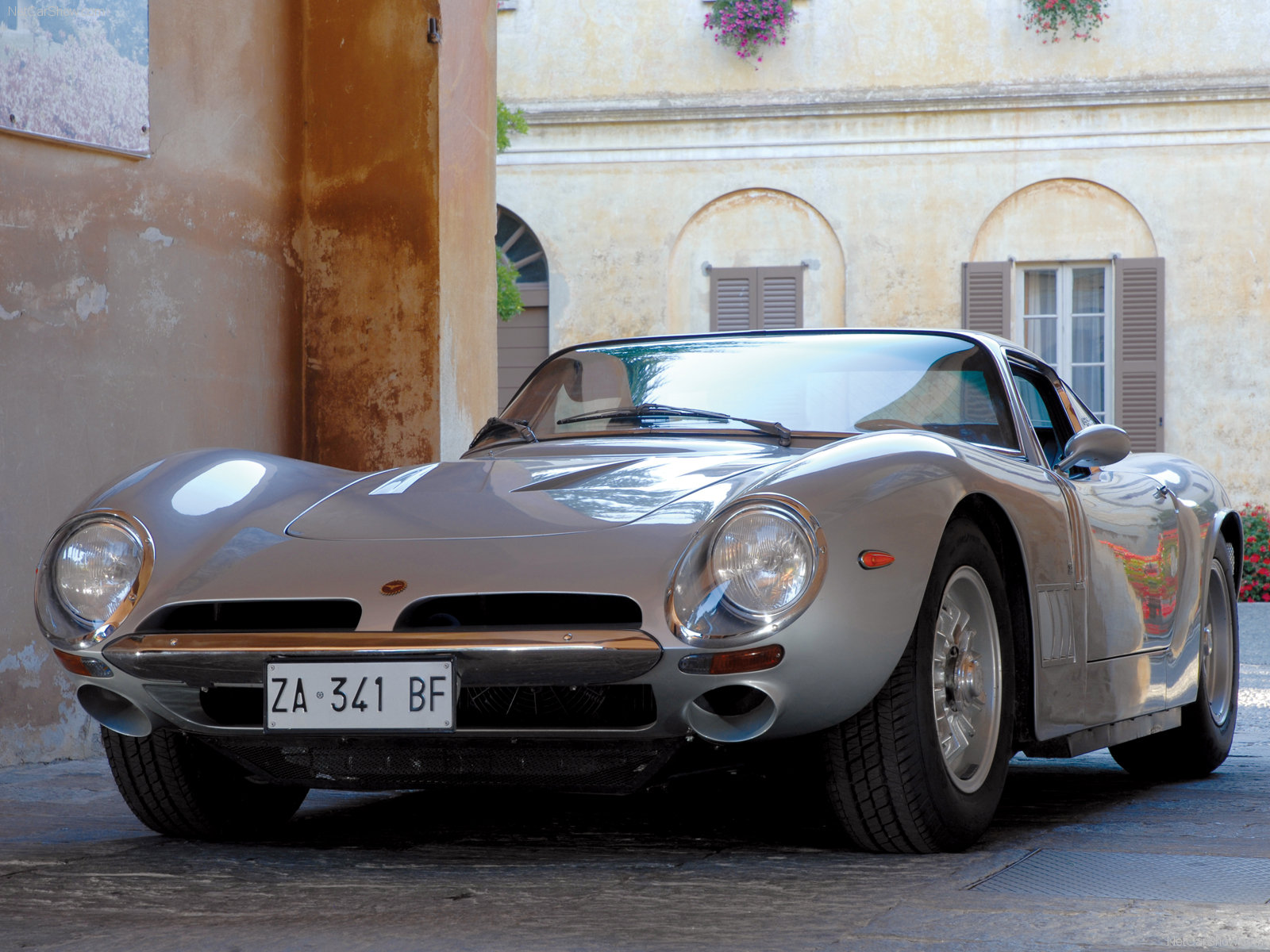
1968 Bizzarrini 5300 GT Strada Alloy
Bizzarrini seemed to be fired by Ferrari through the "palace revolt" of 1961. He became part involving Automobili Turismo e Sports activity (ATS)), a company started with the ex-Ferrari engineers to create a Formula 1 single seater along with a GT sport car, the A. T. S. Serenissima.One of ATS's personal backers, Count Giovanni Volpi, owner of Scuderia Serenissima, hired Bizzarrini to upgrade a Ferrari 250 GT SWB, with chassis number #2819GT to GTO specifications. This resulted in this Ferrari 250 GT SWB Drogo also known as the "Breadvan".Bizzarrini's engineering company, Societa Autostar, was commissioned to style a V-12 engine for just a GT car to become built by another discontented Ferrari customer, Ferruccio Lamborghini. Lamborghini considered the resulting engine to become too highly strung, and ordered that the idea be detuned.
Bizzarrini 5300 GT Strada picture 51343 Bizzarrini photo gallery
Bizzarrini worked since 1964 pertaining to Iso Rivolta and developed three models: Iso Rivolta GT, Iso Grifo both A3L and A3C versions. His work was in order to develop a pressed steel frame chassis for Iso vehicles. Renzo Rivolta hired him as consultant on the Iso Gordon GT challenge which became the Iso Rivolta GT. The Iso Gordon GT prototype was created from the Gordon-Keeble. The Gordon Keeble GT was designed in 1960 by Giugiaro. Bizzarrini tested the automobile and was impressed because of the powerful V8 Corvette engine along with the rear De Dion tube useful for the GT:'Rivolta received me test the prototype. I liked its De Dion tubing and especially the Corvette powerplant. It was the very first time I had driven a single. It was superior for you to Ferrari's engines, having the same power but that has a more immediate throttle reply. 'The Iso Rivolta GT seemed to be a Giugiaro designed four seater with beautiful system, speed, comfort and handling, and was a successful car for ISO along with 799 units sold. Powered by a 327ci Chevrolet Corvette V8 engine having a classic De Dion rear suspension design with constrained steel monocoque bodywork in excess of pressed steel frame framework. Unveiled to the push in 1963, production continued until 1970.The Iso Grifo A3L was a monstrous idea for the super coupé, the L coming coming from Lusso. The result of the brilliant Giugiaro and Bizzarrini operating together, it was based with a shortened Iso Rivolta GT framework and was debuted on the 1963 Turin show. The Grifo epitomised the actual 1960s Italian style featuring a handsome low and broad handmade bodywork. It was the most effective production car tested by Autocar Magazine in 1966 that has a top speed of one hundred sixty mph (260 km/h). Later versions of your Grifo were powered by a big block Chevrolet Corvette 435 bhp (324 kW; 441 PS) serps. These 90 handbuilt units are distinguishable through the raised "pagoda style" deal bonnet. Some of these Iso Grifo 7 Litri units were rebuilt later with even bigger engines.
1967 Bizzarrini 5300 GT Strada Alloy – Estimate $450,000 $550,000
The thinking behind Bizzarrini was to use the 3AL cars for levels of competition. The competition versions from the Grifo were named Iso Grifo A3C, C for Competizione or maybe Corsa. A new lightweight riveted aluminium body was designed along with built by Piero Drogo. It was an strongly designed machine, oriented to endurance backgrounds. It uses normal ISO underpinnings even so the engine was moved further last the chassis frame as opposed to Grifo A3L, protruding well into the particular driver's cabin, fitted with hot cams and fed by four big Weber carburettors, giving more than 400 bhp (298 kW; 406 PS).
1968 Bizzarrini 5300 GT Strada Alloy
All around 29 A3C sport cars were built beneath the ISO name. Five of these 30 cars were bodied with plastic/fiberglass by Piero Drogo on Carrozzeria Sports Cars within Modena. A3Cs were widely competed. Some cars entered the 1964 and 1965 Le Mans 24 hour, 1965 Nürburgring 1000 along with 1965 Sebring. It achieved a Le Mans class win in both years and a 9th overall in 1965 without the need of factory support. A3Cs were one of the fastest cars on LeMans' Mulsanne Immediately in both years.
may be governed by copyright. – Send suggestions We Comply All TakeDown by Request.



0 comments
Post a Comment